Almost every filter on the market carries a gallon rating on the front of the box, and almost every one of those ratings assumes a lightly stocked tank in good condition. That is why so many people end up buying twice. This is the short version of how we size filtration at the counter, and it applies whether you are running a ten-gallon desktop tank or a heavily planted seventy.
Start with turnover, not with the box
The number that actually matters is turnover: how many times per hour the filter can move the entire volume of the tank. For a general community freshwater tank, four to six times per hour is a sensible working range. A twenty-gallon tank therefore wants something in the region of 80 to 120 gallons per hour of real flow.
Note the words real flow. Manufacturers quote flow with a clean filter, no media resistance and no head height. Once you add a cartridge, a sponge and some biological media, and once the unit has to lift water up the back of the tank, actual throughput commonly lands twenty to thirty per cent below the printed figure. Sizing with a little headroom is not over-engineering, it is compensating for a number that was measured under ideal conditions.
Adjust for what lives in the tank
Turnover is a starting point, not a rule. Three things push the requirement up:
- Heavy stocking. More fish means more ammonia, which means more biological media has to stay colonised and oxygenated.
- Messy feeders. Goldfish and most cichlids produce noticeably more waste per unit of body mass than small tetras.
- Fine substrate and heavy planting. Debris settles instead of circulating, so you want more mechanical capture and more water movement.
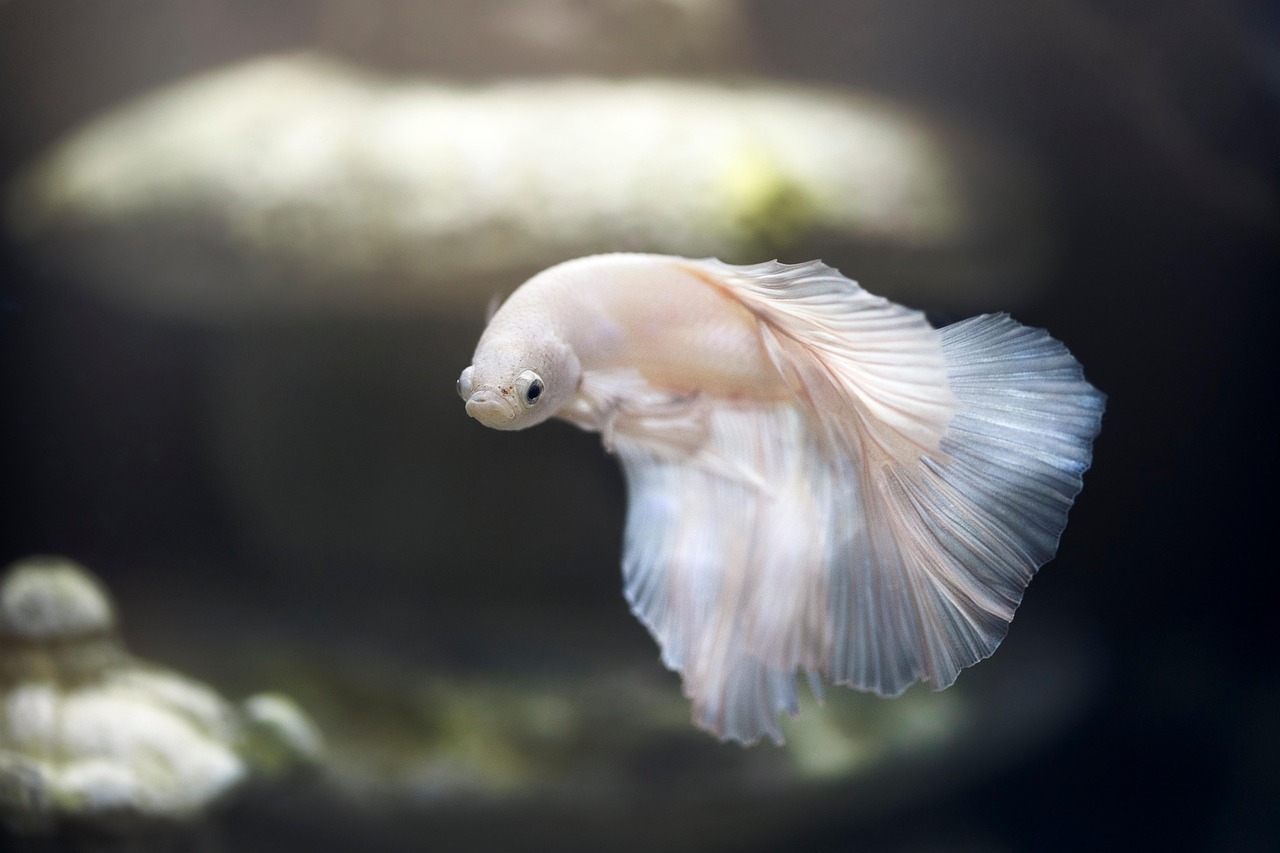
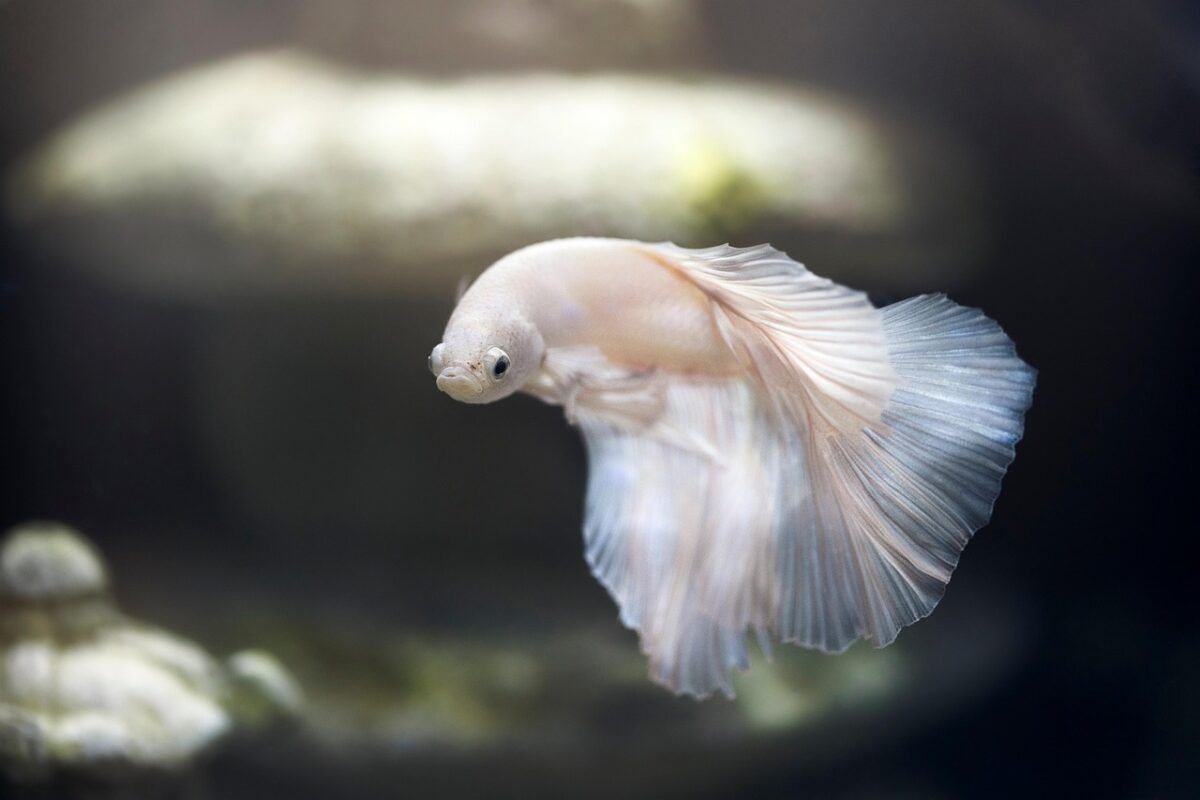
And one thing pushes it down: species that dislike current. Bettas, many gouramis and long-finned fancy varieties will spend their day fighting a strong outflow. For those tanks, size for the biology and then break up the current with a spray bar, a baffle or an outflow directed at the glass.
Choosing the mounting style
Once you know roughly what throughput you need, the mounting style is largely a question of maintenance habits and cabinet space.
Hang-on-back
Hang-on-back units are the default for a reason: they sit on the rim, they are quick to open, and changing media takes under a minute. They also aerate well because the return falls through air. The trade-offs are visible hardware on the back glass, a limited media chamber, and a little more noise as the water level drops between top-ups. Our hang-on-back and power filters cover the range most community tanks sit in.
Canister
A canister lives in the cabinet and holds far more media than any hang-on-back of the same rating. It is quieter, it hides the hardware, and it lets you build a proper media stack — coarse sponge, fine floss, then ceramic or sintered biomedia. In exchange you get a longer setup, a slightly more involved service routine, and hoses to keep an eye on. For larger or heavily stocked tanks, it is usually the better long-term answer. See the canister filters we stock.
Internal and submersible
Internal units are the pragmatic choice for small tanks, quarantine tanks, shrimp setups and anywhere the back glass has to stay clear. They take up tank volume rather than shelf space and they are simple to clean, though media capacity is modest. Our internal and submersible filters include models with integrated UV where clarity is the priority.
Do not forget what the filter eats
A filter is only as good as the media inside it, and media is the part people forget to budget for. Mechanical media — sponges and floss — is a consumable that clogs. Chemical media such as activated carbon has a working life measured in weeks, not months. Biological media, by contrast, should be treated as permanent and never replaced wholesale, because it is where your nitrifying bacteria live.
Before you commit to a unit, check that refills are easy to get. That is one of the reasons we deliberately keep filter media and cartridges for the filters we sell rather than listing whatever is cheapest that month.
A quick worked example
Say you are setting up a 20-gallon community tank with a dozen small tetras, a few corydoras and moderate planting. Four to six turnovers puts you at 80 to 120 GPH quoted. Allowing for media resistance, look at a unit rated around 150 GPH or one rated for tanks up to 30 gallons. Corydoras appreciate a little flow along the bottom, so a hang-on-back with the outflow angled across the surface works well. Budget for one spare sponge and a pack of carbon, and you are set for the first six months.
When in doubt, size up one bracket
If your tank sits on the boundary between two ratings, take the larger one. An oversized filter can be baffled, throttled or pointed away from the fish. An undersized one cannot be made bigger, and it will run at full tilt permanently, which shortens the life of the impeller.
Every filter listing on this site states the tank volume range it is rated for and the media it takes, so you can check both before ordering. If you are between two options, send us the tank size and stocking list and we will tell you which one we would put on it. Delivery timings are on our shipping policy page, and the return and refund policy explains the window if something turns out not to fit.
Browse the full filtration range.
From our shelves
Products in this store that relate to what is covered above:
Prices are in US dollars. Delivery timings are on our shipping policy page and the return and refund policy sets out the window if something is not right.
Related reading